 EN
EN

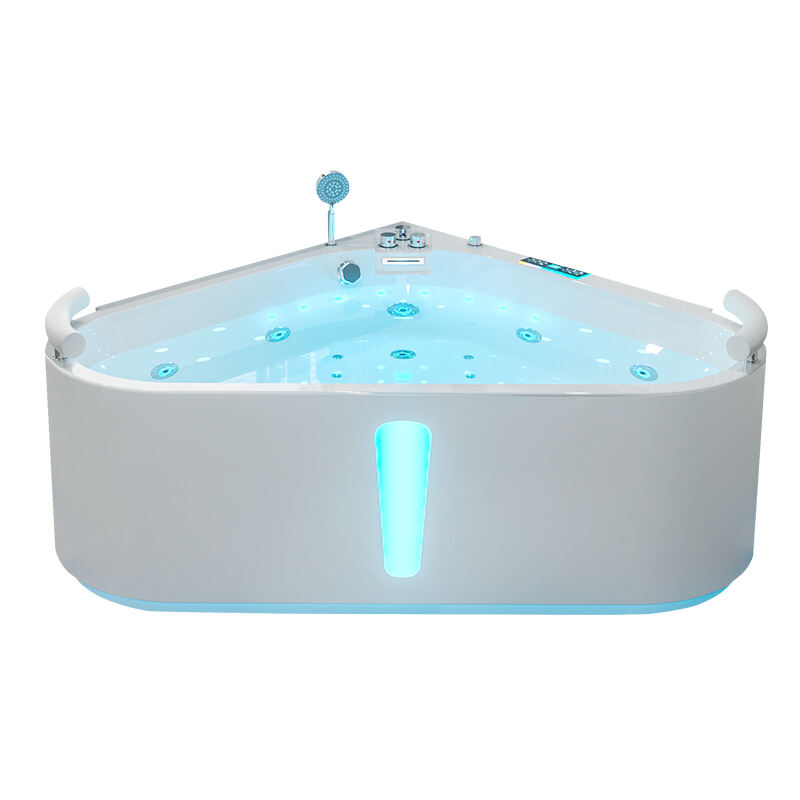
Modern life brings constant stress and physical tension that can accumulate in our muscles and minds over time. Finding effective ways to unwind and restore our bodies has become increasingly important for maintaining overall health and wellbeing. Many people are discovering that therapeutic bathing solutions offer significant benefits for both physical recovery and mental relaxation. The combination of warm water, targeted massage, and quiet time creates an ideal environment for stress relief and muscle recovery.
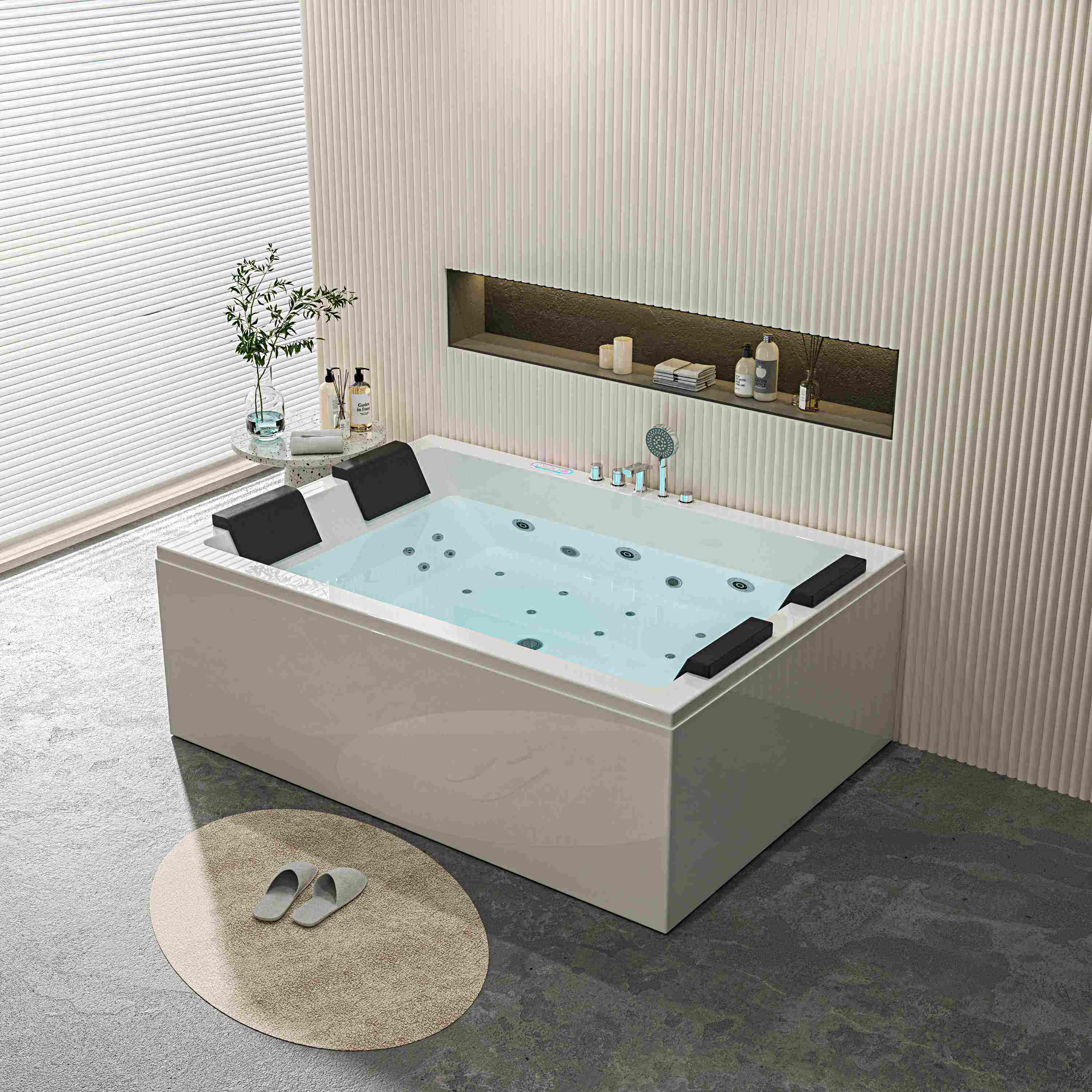
Understanding the Science Behind Hydrotherapy
How Water Temperature Affects Muscle Recovery
Warm water immersion has been scientifically proven to increase blood circulation throughout the body. When you soak in water heated to optimal temperatures between 98-104 degrees Fahrenheit, your blood vessels dilate, allowing more oxygen and nutrients to reach tired muscles. This increased circulation helps remove metabolic waste products like lactic acid that contribute to muscle soreness and stiffness. The heat also triggers the release of endorphins, which are natural pain-relieving chemicals produced by your body.
Research indicates that regular warm water therapy can reduce inflammation markers in the blood while promoting faster healing of minor muscle injuries. The buoyancy of water reduces pressure on joints and allows muscles to relax more completely than they would on dry land. This weightless environment gives your musculoskeletal system a chance to decompress and reset after periods of stress or intense physical activity.
The Role of Water Pressure in Therapeutic Benefits
Hydrostatic pressure naturally occurs when your body is submerged in water, creating a gentle compression effect that supports circulation and reduces swelling. This pressure helps push fluids back toward your heart and lungs, improving overall cardiovascular function during your soak. The deeper the water, the greater the pressure, which explains why full-body immersion provides more therapeutic benefits than shallow baths.
Water pressure also provides natural resistance that can help maintain muscle tone even during relaxation periods. Your body works slightly harder to breathe against the gentle pressure, which can strengthen respiratory muscles over time. This combination of pressure and warmth creates an ideal environment for both active recovery and deep relaxation.
Stress Reduction Through Therapeutic Bathing
Neurological Responses to Warm Water Immersion
Your nervous system responds dramatically to warm water immersion by shifting from sympathetic to parasympathetic dominance. This transition moves your body from a state of alertness and stress response into rest and digest mode, where healing and recovery can occur most effectively. The warm water stimulates thermoreceptors in your skin, which send signals to your brain to reduce cortisol production and increase serotonin levels.
Studies have shown that regular hydrotherapy sessions can lower baseline stress hormone levels and improve overall mood regulation. The repetitive, rhythmic nature of water movement creates a meditative environment that helps quiet racing thoughts and mental chatter. This neurological shift often continues for hours after leaving the bath, providing extended periods of calm and mental clarity.
Creating an Environment for Mental Restoration
The isolation and privacy of a personal bathing space naturally removes you from external stressors and digital distractions. This forced disconnection allows your mind to process daily experiences and reset for better sleep and decision-making. The ritual of preparing and enjoying a therapeutic bath can become a valuable transition between work stress and personal relaxation time.
Adding elements like dim lighting, essential oils, or calming music can enhance the stress-reducing effects of your bathing experience. The multi-sensory environment engages multiple relaxation pathways simultaneously, creating a more profound and lasting sense of calm. Regular practice helps train your nervous system to access this relaxed state more quickly and maintain it for longer periods.
Advanced Features That Enhance Therapeutic Benefits
Jet Placement and Massage Patterns
Strategic placement of water jets allows targeted therapy for specific muscle groups and tension points throughout your body. Different jet configurations can address various needs, from gentle full-body relaxation to focused deep tissue work on problem areas. Adjustable pressure settings let you customize the intensity based on your comfort level and therapeutic goals for each session.
The pulsing action of properly designed jets mimics professional massage techniques, helping to break up muscle knots and improve flexibility. This mechanical manipulation increases blood flow to targeted areas while providing immediate relief from tension and stiffness. A quality whirlpool bathtub incorporates multiple jet types and placement options to maximize therapeutic potential for users of different sizes and needs.
Temperature Control and Duration Optimization
Maintaining consistent water temperature throughout your therapy session ensures maximum benefit and safety. Advanced systems monitor and adjust heat levels automatically, preventing the water from becoming uncomfortably hot or cooling too quickly. Optimal session length varies by individual, but most people achieve best results with 15-20 minute soaks at therapeutic temperatures.
Longer sessions may lead to dehydration or overheating, while shorter periods might not provide sufficient time for deep muscle relaxation to occur. Smart temperature controls allow you to focus entirely on relaxation without worrying about manual adjustments or safety monitoring. This technological support enhances the therapeutic experience while ensuring consistent results session after session.
Physical Health Benefits Beyond Relaxation
Improved Sleep Quality and Recovery
Regular hydrotherapy sessions can significantly improve sleep quality by helping regulate your body temperature and circadian rhythms. The warming followed by gradual cooling effect mimics your body natural preparation for sleep, making it easier to fall asleep and achieve deeper rest stages. Better sleep leads to improved muscle recovery, enhanced immune function, and better stress management during waking hours.
Athletes and fitness enthusiasts often use therapeutic bathing as part of their recovery protocol to reduce delayed onset muscle soreness and prepare for subsequent training sessions. The combination of heat therapy and gentle massage helps prevent minor injuries from developing into more serious problems. Regular users report feeling more refreshed upon waking and experiencing less joint stiffness throughout the day.
Cardiovascular and Circulatory Improvements
Warm water immersion provides cardiovascular benefits similar to light exercise without the physical stress or energy expenditure. Your heart rate increases moderately while blood vessels dilate, improving overall circulation and reducing blood pressure in many individuals. This gentle cardiovascular workout can be especially beneficial for people with mobility limitations or those recovering from injuries.
Enhanced circulation delivers more oxygen and nutrients to all body tissues while helping remove metabolic waste products more efficiently. Improved blood flow supports faster healing of minor injuries and can help reduce the appearance of varicose veins over time. Regular therapy sessions may also help maintain cardiovascular health as part of a comprehensive wellness routine.
Integration into Daily Wellness Routines
Timing and Frequency Considerations
The timing of your therapeutic bathing sessions can significantly impact their effectiveness for different goals. Evening sessions work best for stress relief and sleep preparation, while morning or post-workout soaks can enhance recovery and energy levels for the day ahead. Most people find that 3-4 sessions per week provide optimal benefits without overdoing the therapy.
Consistency proves more important than frequency when building therapeutic bathing into your routine. Regular sessions help your body adapt and respond more effectively to the therapy over time. Starting with shorter, less frequent sessions allows you to gauge your response and gradually increase duration and frequency as desired.
Combining with Other Wellness Practices
Therapeutic bathing works synergistically with other wellness practices like meditation, stretching, and proper nutrition. Many people find that gentle stretching before or after their soak enhances flexibility improvements and muscle relaxation. Staying properly hydrated before and after sessions maximizes the circulatory benefits while preventing dehydration.
Progressive muscle relaxation techniques, deep breathing exercises, or mindfulness meditation can be practiced during your soak to amplify stress-reduction benefits. The combination of physical therapy and mental relaxation techniques creates a powerful tool for overall wellness that addresses both physical and psychological aspects of health simultaneously.
FAQ
How long should I stay in a whirlpool bathtub for maximum benefit
Most experts recommend limiting sessions to 15-20 minutes at therapeutic temperatures between 98-104°F. This duration allows sufficient time for muscle relaxation and circulation improvement without risking dehydration or overheating. Listen to your body and exit sooner if you feel dizzy, overly fatigued, or uncomfortable.
Can people with certain health conditions safely use hydrotherapy
While hydrotherapy offers many benefits, people with cardiovascular disease, diabetes, pregnancy, or open wounds should consult their healthcare provider before beginning regular sessions. Certain medications may also affect your body response to heat therapy, so medical guidance ensures safe and effective use for your specific situation.
What water temperature provides the best therapeutic effects
The optimal temperature range for therapeutic benefits falls between 98-104°F (37-40°C). Temperatures below 98°F may not provide sufficient warming for muscle relaxation, while temperatures above 104°F can cause overheating and dehydration. Start at the lower end of this range and gradually increase to find your personal comfort zone.
How often should I use hydrotherapy for stress and muscle tension relief
For general stress relief and muscle maintenance, 3-4 sessions per week typically provide excellent results. During periods of high stress or intense physical activity, daily sessions may be beneficial. Always allow time between sessions for your body to rest and rehydrate, and reduce frequency if you experience any adverse effects.